Peek Behind the Badge: What Cops Check For!
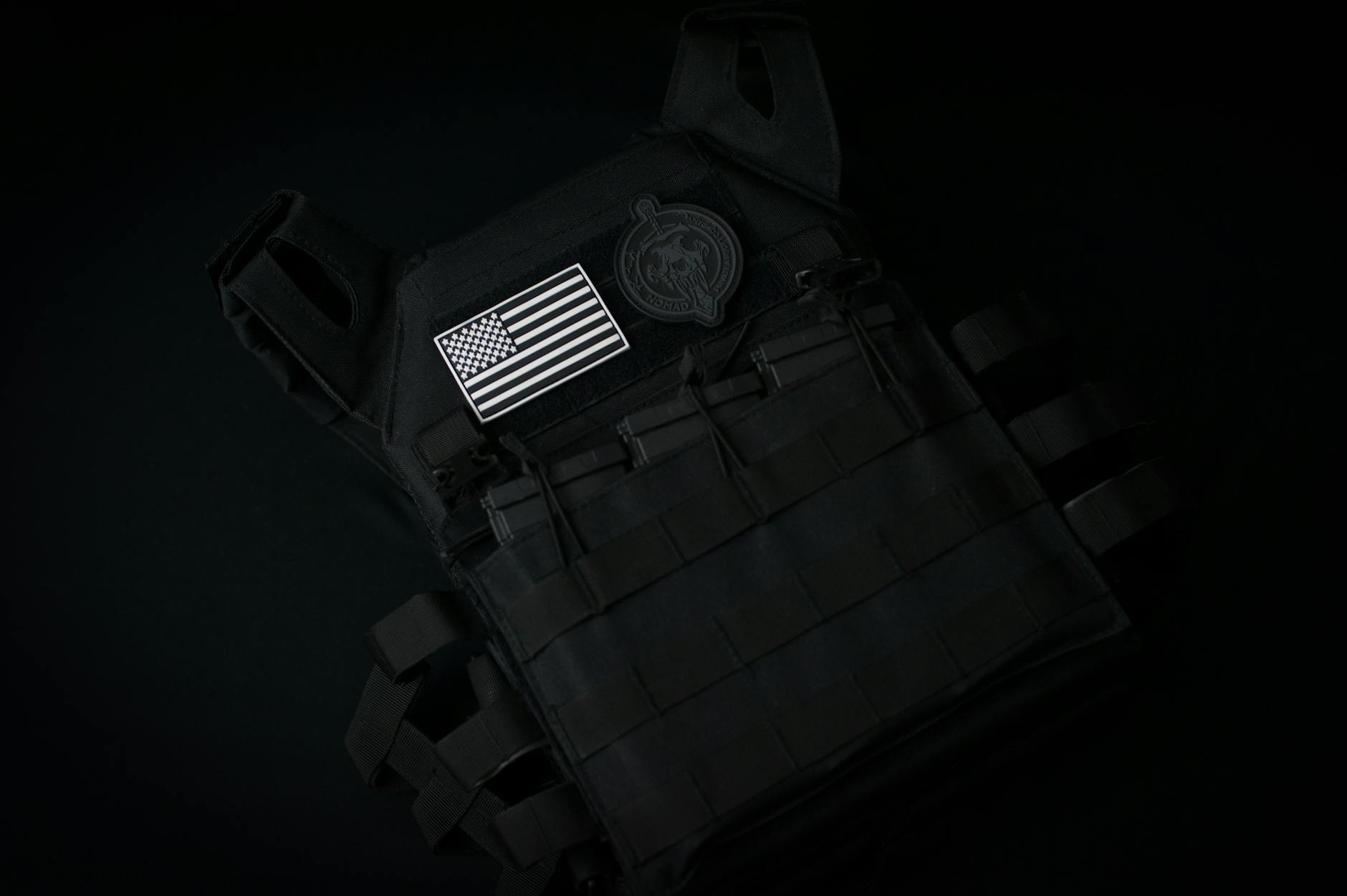
Have you ever been curious about what goes through a police officer's mind during a routine traffic stop or while patrolling the streets? Peek Behind the Badge is your exclusive access to the inner workings of law enforcement. In this revealing article, we pull back the thin blue line to expose the critical details that officers scrutinize as part of their professional checklist. It's more than just looking for the bad guys; it's about ensuring safety, preventing crime, and making split-second decisions that can save lives.
The Officer's Eyes: Beyond the Obvious
Contrary to popular belief, when an officer is on duty, their perception extends far beyond the search for overt criminal behavior. They are trained observers, using their senses and instincts to detect subtleties that often go unnoticed by the untrained eye.
Body Language & Behavior
Officers are adept at reading body language and behavior, which can be telling indicators of a person's intent. They look for:
- Nervousness, such as fidgeting or avoiding eye contact
- Overly rehearsed answers to simple questions
- Inconsistent stories from individuals at a scene
- Signs of aggression or escalating emotions
- Excessive sweating, which could indicate stress or drug use
The Vehicle Checkout
When it comes to vehicles, an officer's examination is meticulous. From the condition of the car to the behavior of its occupants, here's what's on the list:
Vehicle Condition and Compliance
- Valid registration, inspection stickers, and license plates
- Functioning brake lights, headlights, and turn signals
- Window tint compliance with state regulations
- Overall vehicle condition—damage or modifications that suggest illegal activity
Occupant Observation
- Seatbelt usage
- Indications of substance use, like the smell of alcohol or marijuana
- Visible contraband or weapons in the vehicle
- Driver's hands on the wheel upon the officer's approach
The Environment and Context
The location and timing of an interaction can provide valuable context to an officer. They consider:
- The prevalence of crime in the area
- Recent reports of incidents nearby
- Time of day or night—certain crimes are more common after dark
- Any ongoing events that might impact public safety
Interaction and Documentation
During any exchange, documentation is paramount. Police prioritize:
- Accurate identification of all parties involved
- Checking for warrants or prior criminal history
- Recording detailed narratives for reports
- Collecting physical evidence with precision and care
Officer Safety: A Top Priority
Above all, an officer's safety is at the forefront of every interaction. Practices include:
- Approaching situations with caution and a plan for retreat if necessary
- Backup presence during high-risk encounters
- Awareness of escape routes and cover
- Maintaining control of their service weapon and other tools
Final Thoughts
Through Peek Behind the Badge, we glimpse the complexity of police work and the multitude of factors officers must consider. Remember, while this outline offers a snapshot of their checklist, each situation holds its own unique set of challenges, requiring officers to utilize their extensive training, judgment, and experience. So the next time you encounter our men and women in blue, know they are not just looking for wrongdoing—they're working to ensure the safety and order of our communities.